Bipolar Cautery vs Monopolar Cautery: A Surgeon’s Guide
Wiki Article
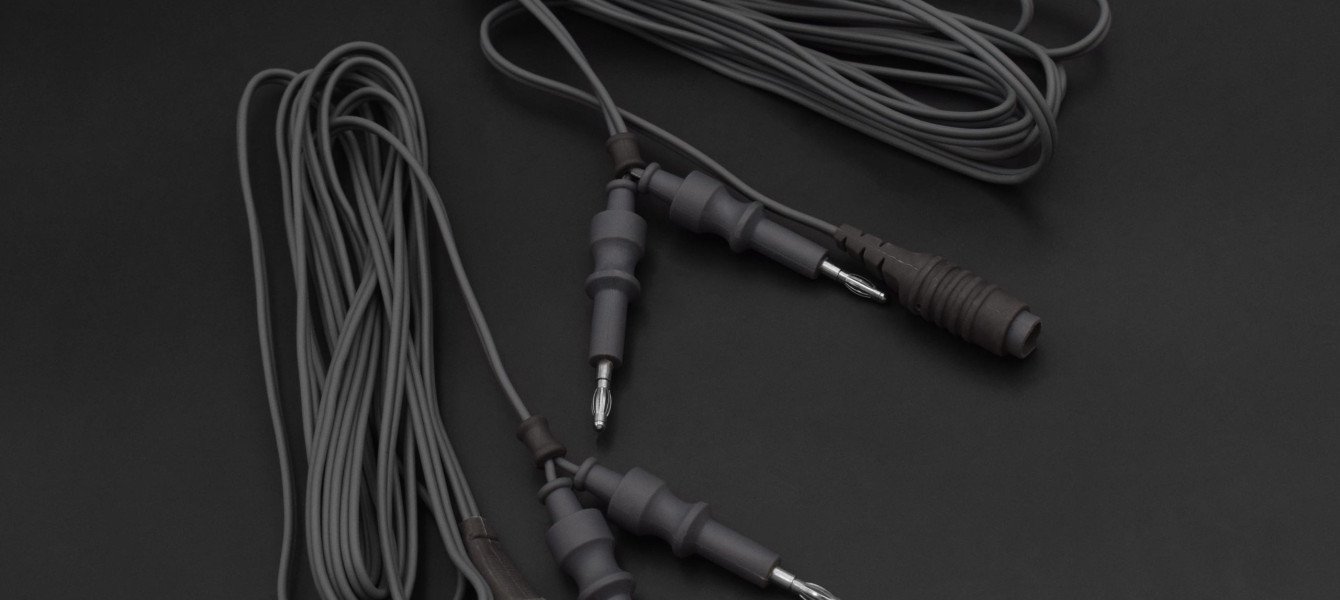
Electrosurgery remains a cornerstone of modern surgical procedures, offering surgeons the ability to cut tissue and control bleeding with remarkable precision. This technology relies on high-frequency electrical currents to generate heat within body tissues, achieving specific clinical effects. The fundamental difference lies in how this electrical current travels through the patient's body. Surgeons must understand the distinct mechanics behind these tools to choose the safest and most effective option for each unique case. Whether you are a seasoned professional or a medical student, grasping the nuances of circuit completion is the first step toward mastering these essential instruments.
The Mechanism of Monopolar Electrosurgery
In the realm of electrosurgery, the monopolar cautery system represents the most common modality used in operating rooms worldwide. This setup requires three main components: a generator, an active electrode, and a patient return electrode, often called a grounding pad. The electrical current flows from the generator to the active electrode, passes through the patient's body to reach the target tissue, and then exits via the grounding pad to return to the generator. Because the current travels through a significant portion of the patient, this method is highly effective for large-scale tissue cutting and coagulation. However, this extensive pathway also necessitates careful placement of the return electrode to prevent unintended burns.
How Bipolar Electrosurgery Differs
Bipolar electrosurgery operates on a more confined principle where the electrical circuit is completed entirely within the surgical instrument itself. The active and return electrodes are typically the two tips of a forcep or a similar instrument. When the surgeon grasps tissue between these tips, the current flows only through that specific area of tissue, traveling from one tip to the other. This eliminates the need for a patient return electrode pad because the electricity does not need to traverse the patient’s body to exit. This localized energy delivery makes bipolar systems exceptionally safe for delicate procedures, such as neurosurgery or ophthalmic surgery, where minimizing thermal spread is critical.
Precision in Delicate Procedures
When operating near sensitive structures like nerves or in confined spaces, the risk of collateral damage must be minimized. Bipolar cautery shines in these scenarios because it uses lower voltages and confines the thermal effect strictly to the tissue held between the forceps. This precision reduces the risk of current diversion, where electricity might jump to nearby conductive materials or tissues. Surgeons favor this method when they need to coagulate vessels in close proximity to vital organs. The control offered by bipolar instruments ensures that healthy tissue surrounding the surgical site remains unharmed, which leads to better postoperative outcomes for patients.
Versatility of Single-Channel Systems
While bipolar systems offer safety in tight spaces, monopolar cautery provides unmatched versatility for a wide range of surgical applications. Surgeons often prefer this modality when they need to cut through dense tissue or perform rapid coagulation over larger surface areas. The active electrode in a monopolar setup can be shaped into various forms, such as blades, needles, or loops, allowing for diverse cutting and coagulating techniques. This adaptability makes it the go-to choice for general surgery, abdominal procedures, and gynecological operations where speed and efficiency are paramount. Its ability to switch seamlessly between cutting and coagulation modes gives the surgeon significant control over the pace of the operation.
Safety Considerations for Patients with Implants
Patient safety protocols differ significantly depending on the type of cautery selected, especially for individuals with implanted electronic devices like pacemakers. The widespread flow of current associated with monopolar cautery poses a potential risk of electromagnetic interference, which could disrupt the function of cardiac implants. In these cases, surgical teams often opt for bipolar electrosurgery to avoid passing current through the heart or the device leads. However, if the monopolar method is necessary, strict precautions regarding the placement of the grounding pad are enforced to direct current away from the implant. Understanding these interactions is vital for preventing intraoperative complications.
Wet Field Performance and Efficiency
Surgical fields are rarely dry, and the presence of blood or irrigation fluids can impact the performance of electrosurgical instruments. monopolar cautery generally performs robustly in wet fields, maintaining its ability to cut and coagulate effectively even when fluids are present. The high power density at the active electrode allows it to vaporize tissue rapidly. Bipolar instruments, while excellent for coagulation, may struggle purely as cutting tools in fluid-heavy environments unless specialized advanced bipolar devices are used. Selecting the right tool often depends on the anticipated fluid volume and the specific need for hemostasis versus tissue division.
The Role of New Med Instruments
Achieving superior surgical results requires not only skill but also instruments that surgeons can trust implicitly. New Med Instruments is dedicated to providing high-quality surgical tools that meet the rigorous demands of modern healthcare professionals. Our commitment extends to ensuring that every forcep, electrode, and cable offers the reliability needed for precise operations. We understand that whether you are a student learning the basics or a veteran surgeon performing complex reconstructions, the quality of your instrument directly influences your success. By sourcing materials that ensure durability and precision, we empower medical professionals to focus entirely on patient care.
Choosing the Right Tool for the Procedure
The decision between using a bipolar system or monopolar cautery ultimately rests on the specific requirements of the surgery and the patient's anatomy. A laparoscopic procedure involving large muscle groups may benefit from the cutting speed of a monopolar device. Conversely, a microsurgical repair of a blood vessel demands the pinpoint accuracy of bipolar forceps. Surgeons must weigh factors such as tissue impedance, the proximity of vital structures, and the presence of metal implants. New Med Instruments supports this decision-making process by offering a comprehensive range of instruments designed for both modalities, ensuring you always have the right tool in hand.
Cost and Accessibility Factors
Economic considerations often play a role in hospital procurement and instrument selection. Generally, monopolar cautery accessories are less expensive and more universally available in operating theaters. The simplicity of the consumables, such as the pencil and grounding pad, makes it a cost-effective solution for routine surgeries. Bipolar instruments, particularly advanced vessel sealers, can represent a higher initial investment but may save money in the long run by reducing operative time and complications in complex cases. Balancing clinical needs with budget constraints is a reality for healthcare facilities, and identifying durable, high-value instruments is essential for sustainable practice.
Enhancing Education for Medical Students
For medical students and residents, mastering electrosurgery is a critical milestone in their training. Understanding the physics behind why a return electrode is needed for one modality but not the other builds a foundation for safe surgical practice. Educational curriculums emphasize the "path of least resistance" principle to explain how current travels. New Med Instruments supports educational initiatives by providing accessible, professional-grade tools that allow trainees to learn with the same equipment used by experts. We believe that equipping the next generation of surgeons with superior instruments fosters confidence and competence early in their careers.
Conclusion
Navigating the choice between bipolar and monopolar electrosurgery requires a blend of technical knowledge and clinical judgment. While monopolar systems offer speed and versatility for general tissue dissection, bipolar systems provide the safety and control necessary for delicate, high-risk areas. Both modalities are indispensable in the modern operating room. At New Med Instruments, we are proud to supply the global medical community with tools that honor the precision of your work. By choosing quality instruments, healthcare professionals can ensure they are delivering the best possible results for their patients, regardless of the method employed.
Report this wiki page